
Comprehensive vs Collision Insurance: When to Drop One
Two line items on a car insurance bill pay to fix your own car, and their names barely hint at the difference between them. Collision covers your car in a crash. Comprehensive covers almost everything else that can happen to it: theft, weather, fire, even a deer in the road. The harder question, the one most carrier pages skip, is whether you need both coverages and when it makes sense to drop one.
Say you own a paid-off car and you are looking at those two line items, comprehensive and collision, wondering if either is still worth the money. The answer comes down to what each one covers, what your car is worth today, and whether a lender still has a say.
This guide breaks down what collision and comprehensive insurance each pay for, whether you need both, and the point where keeping them stops making financial sense. Full coverage bundles liability with both of these, so you can benchmark the cost against our national averages. If you would rather just see what it costs you right now, compare rates from top carriers in about 2 minutes. It is free, with no obligation.
The Short Answer
Collision insurance pays for damage to your car when you hit something: another vehicle, a guardrail, a pothole, or the ground if you flip over. Comprehensive insurance pays for damage from almost everything that is not a crash, such as theft, fire, flooding, hail, a fallen branch, or a deer in the road.[1] Both are optional coverages that protect your own vehicle, both carry a deductible, and both pay only up to what your car is worth. Which ones you keep depends mostly on your car's current value.
What Collision Insurance Covers
Collision coverage pays to repair or replace your car after a crash, regardless of what you hit. The National Association of Insurance Commissioners defines it as coverage for damage to your car from a collision with another car, an object, a pothole, or from flipping over.[1]
That reaches more situations than people expect. Rear-ending another car, backing into a pole, sliding into a guardrail on ice, cracking a wheel on a deep pothole, and a single-car rollover are all collision claims. It applies whether or not the crash was your fault. If another driver is at fault and carries insurance, their liability coverage may pay instead, but your own collision coverage means you do not have to wait on the other driver to get your car repaired.
Collision comes with a deductible, the amount you pay before coverage kicks in, commonly $500 or $1,000. A higher deductible lowers your premium. The payout is capped at your car's value, a detail that matters a great deal once the car ages.
What collision does not touch is anything that is not a crash. A tree falling on a parked car, a stolen catalytic converter, or hail dents all fall to the other coverage.
What Comprehensive Insurance Covers
Comprehensive coverage pays for damage to your car that is not caused by a crash. NAIC describes it as reimbursement for damage from events including theft, hail, windstorm, flood, fire, and impact by an animal, and it also covers a windshield that is pitted, cracked, or damaged.[1]
A simple way to remember it: if your car is harmed while sitting still, or by something other than a collision, comprehensive is the coverage that responds.
The deer question trips up a lot of drivers. Hitting a deer is a comprehensive claim, not a collision claim, because the loss is treated as an animal strike rather than a crash. The same goes for a stolen vehicle, a hailstorm denting the roof, a garage fire, vandalism, flood water, or a branch through the windshield.
Like collision, comprehensive carries a deductible and pays only up to the car's value. It is usually the cheaper of the two coverages, because theft and weather claims happen less often and cost less on average than crash claims. That price gap is why many drivers keep comprehensive longer than collision once a car gets old.
Comprehensive vs Collision at a Glance
Both coverages repair your own car and both stop at your car's value. The difference is what sets a claim in motion.
| Collision | Comprehensive | |
|---|---|---|
| What triggers it | Your car hits another car, an object, or a pothole, or it flips over | Non-crash events: theft, fire, flood, hail, vandalism, animal strikes, falling objects |
| Typical example | Rear-ending a car; sliding into a guardrail | A stolen car; hail dents; a deer strike; a cracked windshield |
| Deductible | Applies per claim | Applies per claim |
| Relative cost | Usually the pricier of the two | Usually the cheaper of the two |
Last updated: May 2026 [1]
Neither one is liability coverage. Liability pays for the other driver's car and injuries when you are at fault, while comprehensive and collision only ever pay for your own car. See our guide to liability vs full coverage car insurance for how the pieces fit together.
Do You Need Both Comprehensive and Collision?
Whether you need both comprehensive and collision comes down to one question: does anyone else have a financial stake in your car?
If you have a loan or lease, the answer is usually made for you. NAIC notes that if you have an auto loan, your lender requires you to carry full coverage, which means both comprehensive and collision.[1] The lender is protecting its collateral. Drop either one while the loan is open and the lender can buy coverage on your behalf and bill you for it, usually at a worse price than you would find yourself.
If you own the car outright, both coverages are optional under state law. Neither is required the way liability is, and you can confirm your state's actual mandates in our state requirements data. That puts the decision entirely in your hands, and it becomes a math problem rather than a rule.
You can also carry them unevenly. Many drivers keep comprehensive, the cheaper coverage, after dropping collision, because theft, weather, and animal damage can still total a car that is otherwise fine to drive. Going the other way, collision without comprehensive, is far less common, and many insurers will not write it. For a broader look at when full coverage earns its place, see our guide on whether you need full coverage on a used car.
When It Makes Sense to Drop One or Both
Here is the part carrier pages tend to bury: both coverages pay only up to your car's actual cash value, and that value falls every year. NAIC defines actual cash value as a payout based on the car's value, accounting for its age and wear and tear.[2] Your deductible comes out of that amount. So the most collision or comprehensive can ever do for you is hand over a depreciated check, minus the deductible.
That ceiling is what turns the drop decision into simple arithmetic. Say you own a paid-off car worth about $3,000 and carry a $1,000 deductible. The most you could ever collect after a total loss is roughly $2,000. Once a year or two of comprehensive and collision premiums starts to approach that number, the coverage is doing very little for you. Many drivers at that point drop one or both and self-insure the car, banking what they would have paid in premium.
The other direction matters just as much. While a car still holds real value, collision earns its keep. A single collision claim is expensive: NAIC data puts the average incurred loss per collision claim at $7,191.[3] Few drivers can absorb a hit like that out of pocket, which is why collision is worth keeping on a newer or higher-value car.
One trade-off rarely gets mentioned. When you drop collision, you do not only lose the repair money. You also lose your carrier's help after a crash that is not your fault. With collision, your insurer pays you and then goes after the at-fault driver to recover it. Without it, you are on your own to chase the other driver's insurer for a check. Weigh that before cutting collision on a car you still drive every day. Your deductible choice feeds the same math, and our $500 vs $1,000 deductible guide shows how that lever moves the numbers. Not sure where your premium stands today? Compare rates from top carriers in about 2 minutes.
Frequently Asked Questions
Is it better to have collision or comprehensive?
Neither is strictly better, because they cover different risks. If you can only justify keeping one as your car ages, comprehensive is usually the one to hold onto. It costs less and still pays for theft, weather, fire, and animal damage that can total a car you would otherwise keep driving. Collision is the first coverage to question once the car's value drops.
Should I have collision insurance on a 10-year-old car?
It depends on what the car is worth, not its age. Because collision pays only up to actual cash value minus your deductible,[2] a 10-year-old car with a low value can be worth more in saved premiums than the coverage could ever pay out. If a year or two of premium approaches the car's value, dropping collision is a reasonable call.
Does comprehensive cover hitting a deer?
Yes. Hitting a deer or another animal falls under comprehensive, not collision, because NAIC classifies an impact by an animal as a comprehensive loss.[1] That surprises drivers who assume any impact while driving counts as a collision.
Can you have comprehensive without collision?
Usually yes. Many drivers drop collision but keep comprehensive on an older car, since theft and weather can still total it. The reverse, collision without comprehensive, is less commonly offered. If you have a loan or lease, you generally need both coverages.[1]
Is a $500 or $1,000 deductible better?
A higher deductible lowers your premium but raises what you pay out of pocket after a claim. Which one wins depends on how much you would file for and how much risk you can absorb. Our $500 vs $1,000 deductible guide runs the break-even math.
The Bottom Line
Collision covers your car in a crash. Comprehensive covers nearly everything else. Both are optional once you own the car outright, both carry a deductible, and both pay only up to your car's shrinking actual cash value. That last point is what decides things.
This week:
- Pull your declarations page and find the separate premiums for comprehensive and collision.
- Look up your car's current market value.
- Price out dropping one or both if a year or two of those premiums is closing in on what the car is worth.
If you have a loan or lease, keep both coverages until it is paid off. If you own the car and it still holds real value, both usually earn their place. The only way to know whether you are overpaying for either is to compare. Drivers who compare and switch save a median of $461 a year.[4] Compare rates from top carriers in about 2 minutes. For the bigger picture, see how much car insurance you need and our types of car insurance coverage explainer.
Sources
[1] National Association of Insurance Commissioners, "What You Should Know About Auto Insurance Coverage," content.naic.org
[2] National Association of Insurance Commissioners, "What's the Difference Between Actual Cash Value Coverage and Replacement Cost Coverage?," content.naic.org
[3] National Association of Insurance Commissioners, "2022/2023 Auto Insurance Database Report," content.naic.org
[4] Consumer Reports, "Why Most Drivers Switch Car Insurance and How Much They Save," consumerreports.org
This article is for informational purposes only and does not constitute insurance, financial, or legal advice. Information may contain errors or be outdated. Always verify details with a licensed insurance professional before making coverage decisions.
Related Articles

$500 vs. $1,000 Car Insurance Deductible: Which Saves More?
Should you raise your car insurance deductible to $1,000? See the break-even math, claim frequency data, and when each option makes sense for your budget.
Mar 17, 2026 · 5 min read
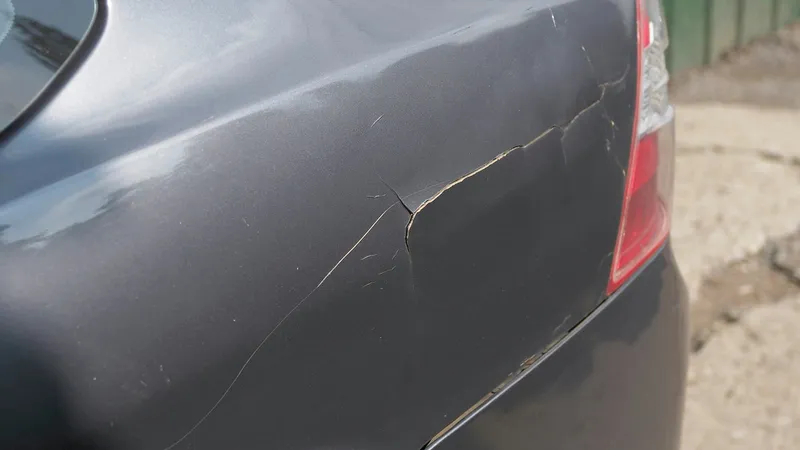
Someone Hit My Parked Car and Left: What Coverage Pays
Hit-and-run on a parked car? Here is the step-by-step claim playbook, the coverage that actually pays, and the state rules that decide who eats the loss.
May 20, 2026 · 10 min read
Do I Need Uninsured Motorist Coverage? Three Questions
About 1 in 7 drivers carries no insurance. Here's a three-question decision guide to whether uninsured motorist coverage is worth it for you.
May 19, 2026 · 8 min read