
Does Car Insurance Cover Flood Damage? What to Do Now
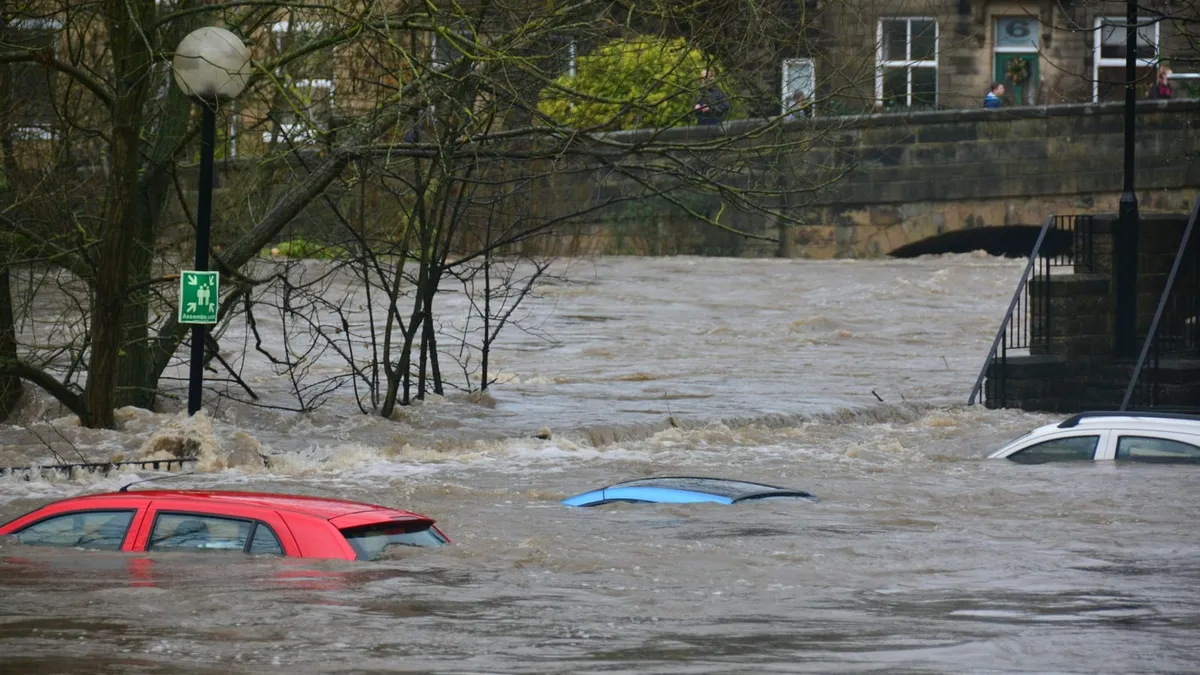
Your car is sitting in brown water, the cabin smells damp, and you are asking: does car insurance cover flood damage? Before checking the policy, do not try to start it. Starting a flooded vehicle can cause more damage and make it harder to separate the original loss from damage caused afterward.
Does car insurance cover flood damage? Usually, yes, if comprehensive coverage was on the vehicle when the flooding happened. Liability coverage does not pay to repair your own flooded car. Collision coverage is designed for crashes, while comprehensive covers non-collision losses such as flood, hail, fire, theft, and windstorm [1].
Say you wake up after an overnight storm and find water above the floorboards. Get to a safe place, photograph what you can without entering moving water, and report the claim. The sections below walk through the coverage check, documentation, repair-or-total-loss decision, settlement review, and next steps.
Does car insurance cover flood damage under your policy?
Comprehensive coverage generally pays for covered flood damage to your vehicle, minus the deductible shown on your policy. The deciding documents are your declarations page and policy. Look for “comprehensive” or “other than collision” on the insured vehicle, then confirm its deductible and effective dates.
The California Department of Insurance advises drivers to check whether comprehensive or other-than-collision coverage was purchased and in effect at the time of loss [2]. Adding it after the vehicle is already damaged cannot make the earlier loss covered.
Here is how the main coverages differ:
| Coverage | What it generally addresses after a flood | What to check |
|---|---|---|
| Comprehensive or other than collision | Covered flood damage to your insured vehicle | Effective date, deductible, exclusions, and vehicle listed |
| Collision | Damage from a collision with another vehicle or object | Whether a separate collision event happened |
| Liability | Injuries or property damage you cause to others | It does not repair your own flooded vehicle |
| Homeowners, renters, or NFIP flood coverage | Buildings or eligible personal contents under that policy | Standard homeowners and renters coverage usually excludes flood, NFIP contents coverage protects eligible belongings, and NFIP coverage excludes cars and most self-propelled vehicles [3][4] |
Last updated: July 2026 [1][2][3][4]
“Full coverage” is informal shorthand, not a single coverage printed in every policy. Find the comprehensive line instead of relying on that phrase. Our comprehensive versus collision guide explains the distinction, while the full coverage guide shows how optional vehicle coverages fit together. You can also check your state’s baseline liability rules in the state insurance requirements table, then look beyond those minimums for the comprehensive line that addresses flood damage to your own car.
Coverage also depends on the facts and policy language. A sudden flood is different from a slow leak, neglected weather seal, or water entering through an open window. Report what happened accurately and let the adjuster apply the contract. Avoid guessing about the cause or promising yourself that every kind of water damage will be covered.
Once the current loss is reported, a future-coverage review can help you check whether comprehensive coverage and its deductible still fit the vehicle. You can compare coverage options, but a new policy or coverage change cannot protect damage that already happened.
What to do right after your car floods
A safe, well-documented response protects you and gives the adjuster a clearer record. Work through these steps in order.
1. Stay out of moving water
Do not walk or drive into floodwater to reach the vehicle. Wait until emergency officials say the area is safe. If the car floated away, report it to local law enforcement and your insurer rather than searching hazardous areas yourself.
2. Do not start the engine
Leave the ignition off, even if the water has receded. Water in the engine, transmission, wiring, battery system, or electronic modules can turn a repairable problem into a larger one. The Texas Department of Insurance recommends having a mechanic inspect a flooded vehicle before trying to start it [5].
Do not connect a charger, operate power accessories, or attempt a home drying process when water reached electrical components. Ask the insurer or towing provider how they want the vehicle handled.
3. Photograph the loss
Take wide and close photos from a safe position. Capture:
- The vehicle and surrounding area
- The exterior waterline and debris
- Each side of the cabin and cargo area
- Dashboard warning lights, if they were already visible without restarting
- Mud, moisture, upholstery damage, and damaged personal property
- The license plate, vehicle identification number, and odometer if safely accessible
Write down when you last saw the car undamaged, when you discovered the flooding, and how high the water appeared to reach. Save weather alerts, towing receipts, cleanup invoices, and messages with the insurer.
4. Report the claim promptly
Use the claim number listed on your insurance card, app, policy, or insurer website. Texas regulators advise calling as soon as possible and taking photos of the damage, including the car while submerged when that can be done safely [5].
When you report the loss, ask:
- Is comprehensive shown on this vehicle for the loss date?
- What deductible applies?
- May I arrange a tow, and where should it go?
- Does the insurer need the vehicle preserved in its current condition?
- Is rental reimbursement listed on the policy?
- What documents should I upload now?
5. Prevent additional damage only when safe
Safety comes first after a flood. Follow the adjuster’s instructions about towing, drying, moving, and repairs. Before authorizing major work or disposing of damaged parts, ask the adjuster how to preserve the vehicle and claim record for inspection.
How a flooded car insurance claim works
The adjuster will confirm coverage, inspect the vehicle, review an estimate, and compare repair feasibility with the vehicle’s pre-loss value. Flood damage can affect upholstery, computers, sensors, airbags, wiring, fluids, bearings, and mechanical components. Some problems appear after the cabin looks dry.
A typical claim moves through five stages:
- Coverage review: The insurer checks the vehicle, policy period, comprehensive coverage, deductible, and loss facts.
- Damage inspection: An adjuster or repair facility documents visible and suspected damage.
- Repair estimate: The shop identifies parts, labor, diagnostics, cleaning, and safety procedures.
- Decision: The insurer authorizes covered repairs or declares a total loss under the policy and applicable state rules.
- Payment and title handling: The insurer applies the deductible, lienholder interest, and required total-loss paperwork.
Do not assume the first visible damage is the complete estimate. Ask whether electrical diagnostics, fluid contamination, corrosion, mold, restraint systems, and manufacturer procedures were considered. If a shop finds more damage during repairs, ask the adjuster how the additional estimate and evidence should be submitted.
Keep every decision in writing. After a phone call, upload a short note through the claim portal or send an email confirming what was discussed. A clear timeline helps if the claim stalls or the final decision does not match the evidence.
Does car insurance cover flood damage when the car is totaled?
A flooded car may be totaled when the covered repair cost is too high compared with its actual cash value, or when state rules and safety concerns make repair impractical. Water reaching the dashboard is not a universal threshold. Modern vehicles can have expensive electronics lower in the cabin, so even a lower waterline can create extensive damage.
Texas regulators explain that the insurer compares the car’s actual cash value with repair cost. They also caution that a vehicle may be totaled even when water did not enter the engine because electronics can be costly to restore [5].
Actual cash value reflects the vehicle’s pre-loss value. Review the valuation report for mileage, condition, equipment, and local market evidence, then document any factual errors. The claim settlement is not automatically the loan payoff amount or the price of a brand-new replacement [5].
Say a financed vehicle is declared a total loss and the loan payoff exceeds the settlement. Comprehensive pays according to the covered vehicle loss and policy terms. A separate gap product may address some or all of the remaining eligible loan balance. Without applicable gap protection, the borrower can remain responsible for the difference. See our gap insurance guide for the loan-balance side of that decision.
For the valuation and paperwork sequence, use our total-loss settlement guide.
How to challenge a low flood settlement or denied claim
A low offer or denial is a starting point for review, not a reason to argue without evidence. Ask for the decision, policy language, valuation report, repair estimate, and deductible calculation in writing.
For a valuation dispute, build a focused evidence packet:
- Local listings for the same year, make, model, trim, mileage range, and condition
- Receipts for major recent work that affects condition, while recognizing maintenance does not always add dollar-for-dollar value
- Factory options or packages missing from the valuation report
- Photos showing pre-flood condition
- Corrections to mileage, trim, prior damage, or equipment errors
- A written explanation of each comparable vehicle you believe is more accurate
Texas regulators advise drivers who believe a vehicle was worth more to gather local dealer quotes, online prices for similar vehicles, and records of special features or custom parts [5]. Keep the comparison local and specific. A rare high-priced listing across the country is usually weaker evidence than several close matches nearby.
For a denial, identify the exact reason. Was comprehensive absent on the loss date? Does the insurer classify the damage as maintenance, prior damage, or a policy exclusion? Does it dispute when or how the water entered? Respond to the stated reason with records rather than a general complaint.
If the claim remains unresolved, follow the policy’s dispute process and contact your state department of insurance. Our guide to a denied car insurance claim explains the evidence sequence. If regulatory help is needed, use the state insurance commissioner complaint guide and the state auto-rules directory to find the relevant regulator-backed starting point.
How to avoid buying a flood-damaged car
Flood-damaged vehicles can return to the market after cleaning, repairs, auctions, and interstate title transfers. Some are properly branded and disclosed. Others may appear clean even though corrosion, mold, electrical faults, or earlier title history remains.
The Nevada Division of Insurance warns that flood-damaged vehicles may be unsafe, difficult to insure, or improperly titled. It recommends researching vehicle history and having a reputable mechanic inspect a private-party purchase [6].
Use both paperwork and a physical inspection:
- Check the VIN history. Review title brands, total-loss records, auction history, and state changes.
- Compare every VIN. Match the dashboard, door label, title, registration, and seller documents.
- Smell the cabin. Heavy fragrance can mask musty upholstery or mold.
- Inspect hidden areas. Look under carpets, seats, the spare-tire well, and dashboard for silt, staining, or corrosion.
- Check lights and wiring. Fogged lamps, intermittent electronics, and new connectors can point to water intrusion.
- Get an independent inspection. Ask a mechanic to look specifically for flood exposure and scan electronic systems.
- Ask the insurer before buying. Confirm which coverages it will offer on that VIN and title status.
A vehicle-history report can miss an unreported loss, while a visual inspection can miss a skillful cleanup. Use both. Read our salvage and rebuilt title insurance guide before buying a vehicle with a branded title.
Frequently Asked Questions
Does liability insurance cover flood damage to my car?
No. Liability insurance pays for covered injuries or property damage you cause to other people. It does not repair your own car after a flood. You generally need comprehensive or other-than-collision coverage on that vehicle, in force when the flooding occurred [1][2].
Should I start a flooded car to see if it runs?
No. Do not start a flooded car until a qualified professional says it is safe. Water can affect the engine, electrical system, fluids, battery, and safety components. Starting or energizing the vehicle may cause additional damage. Photograph it, report the claim, and arrange towing as directed [5].
Does comprehensive cover belongings inside a flooded car?
Comprehensive primarily covers the insured vehicle, subject to the policy. Flood-damaged belongings are not automatically part of the auto claim. Standard homeowners and renters coverage usually excludes flood, while NFIP contents coverage protects eligible belongings but excludes cars and most self-propelled vehicles [3][4]. List damaged items, photograph them, and ask the relevant insurers which policy applies before discarding anything.
Can I add comprehensive coverage after a flood warning?
You can ask about changing future coverage, but newly added comprehensive coverage cannot apply retroactively to damage that already happened. Confirm the exact effective date and time in writing before assuming protection exists [2].
Will flood damage automatically total my car?
No. The insurer considers repair cost, the vehicle’s pre-loss value, policy terms, state rules, and whether repairs can restore the vehicle safely. Extensive electrical or interior damage can make a total loss more likely, but there is no universal waterline that automatically decides every claim [5].
What if I owe more than the flood settlement?
The auto claim generally pays the covered vehicle loss under the policy, not the full loan payoff simply because more is owed. Applicable gap protection may cover an eligible difference between the settlement and loan balance. Ask the lender for a payoff statement and the gap administrator for its required documents [5].
Protect the claim now and review coverage later
After a flood, the immediate priorities are straightforward:
- Stay away from dangerous water and leave the ignition off.
- Photograph the vehicle, waterline, cabin, and surrounding scene.
- Report the claim and follow written towing and inspection instructions.
- Review any repair, total-loss, valuation, or denial decision against the evidence.
- Keep title and repair records if the vehicle is retained or sold.
Once the current claim is stable, review the comprehensive deductible, rental reimbursement, gap protection, and vehicle value before the next storm season. If your policy no longer fits what you could afford to replace, compare coverage options. QuoteFii lets you compare rates without changing the facts of an active claim or pretending new coverage can protect a past loss.
Sources
[1] National Association of Insurance Commissioners, “A Consumer’s Guide to Auto Insurance,” content.naic.org
[2] California Department of Insurance, “Insurance Coverage for Automobile Damage,” insurance.ca.gov
[3] National Flood Insurance Program, “Answers to Some of Your Clients’ Most Frequently Asked Questions,” agents.floodsmart.gov
[4] National Flood Insurance Program, “What You Need to Know About Buying Flood Insurance,” floodsmart.gov
[5] Texas Department of Insurance, “Flooded Cars: What to Know About Insurance Claims and Repairs,” tdi.texas.gov
[6] Nevada Division of Insurance, “Consumers Should Still Be Alert for Flood-Damaged Vehicles When Purchasing Used Cars in Nevada,” business.nv.gov
This article is for informational purposes only and does not constitute insurance, financial, or legal advice. Information may contain errors or be outdated. Always verify details with a licensed insurance professional before making coverage decisions.
Compare related decisions
More guides that help put this topic in context.
Related Articles

$500 vs. $1,000 Car Insurance Deductible: Which Saves More?
Should you raise your car insurance deductible to $1,000? See the break-even math, claim frequency data, and when each option makes sense for your budget.
Mar 17, 2026 · 5 min read
Does Car Insurance Cover Engine Damage? A 2026 Guide
Car insurance may cover engine damage caused by a covered crash or event, but not ordinary breakdown. Learn how to document damage and review your policy.
Aug 17, 2026 · 13 min read
Does Car Insurance Cover Pothole Damage? Claims Guide
Does car insurance cover pothole damage? Learn when collision may apply, what damage to inspect, how deductibles work, and how public-road claims stay separate.
Aug 12, 2026 · 14 min read