
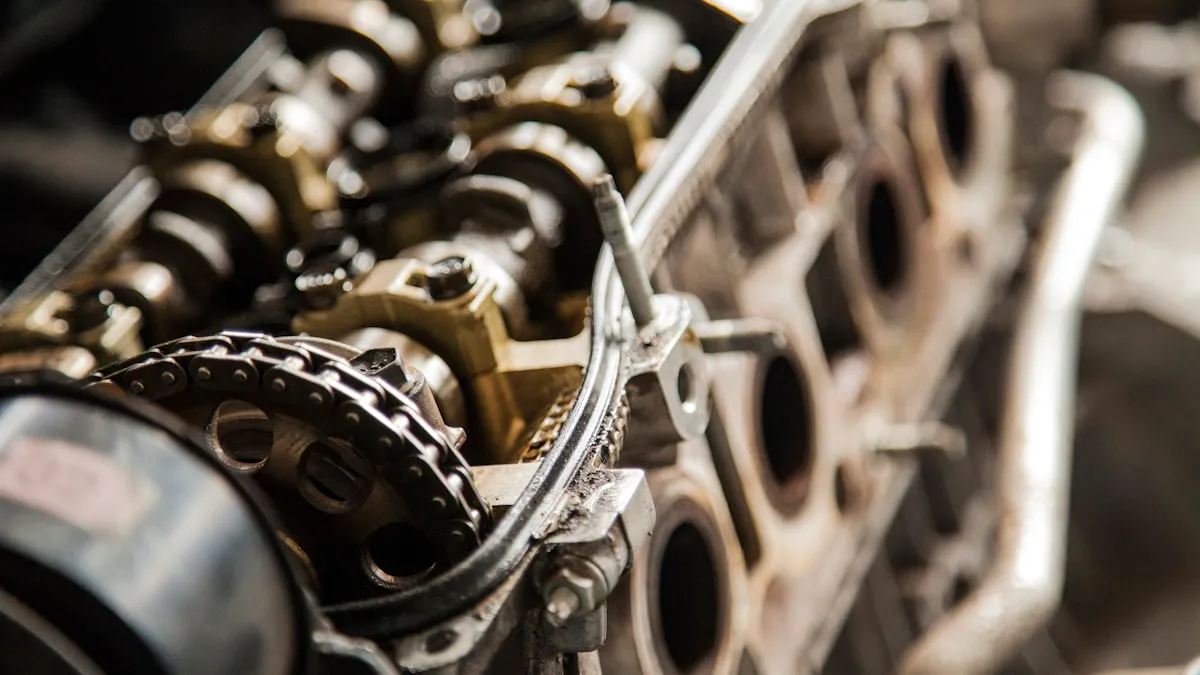
Does Car Insurance Cover Engine Damage? A 2026 Guide
Does car insurance cover engine damage? It may when a covered crash or non-collision event directly damages the engine. An engine that fails from wear, an internal breakdown, a defect, overheating, or missed maintenance usually raises a different contract question. The cause matters more than the failed part.
Say a warning light appears after you strike road debris, the car loses power, and you smell fluid. Do not restart it simply to test whether it still runs. Move away from traffic if you can do so safely, shut the vehicle down, and arrange a tow. Then document the event before a shop changes the evidence.
This guide shows you how to sort the cause, compare insurance with warranty or service-contract options, and control the diagnosis and claim process. Coverage always depends on your policy, exclusions, endorsements, deductible, and the facts of the loss.
Two identical repair estimates can therefore lead to different answers when the events, contracts, and evidence are different.
Does Car Insurance Cover Engine Damage? Start With the Cause
Car insurance can address engine damage when the damage results from an event covered by a coverage you bought. Collision generally addresses impact with another vehicle or object, a pothole, or a rollover. Comprehensive generally addresses listed non-collision events such as fire, flood, theft, windstorm, hail, and animal impact.[1] Neither label creates automatic coverage for every engine repair.
Use this cause-first table as a list of questions, not a promise of payment.
| What happened before the engine problem? | Contract to inspect first | What you still need to prove |
|---|---|---|
| Crash, object impact, pothole, or rollover | Collision coverage | The impact caused the claimed engine damage |
| Fire, flood, theft event, windstorm, hail, or animal impact | Comprehensive coverage | The event is covered and caused the engine damage |
| Specified defect, malfunction, or separately contracted repair | Warranty or auto service contract | The written promise covers the failed part and cause |
| Unknown cause | No conclusion yet | A documented diagnosis that separates event damage from breakdown |
Last updated: August 2026 [1] [2]
A declarations page tells you which coverages appear on the policy. The policy form and endorsements supply the definitions, conditions, exclusions, and deductibles. Our comprehensive versus collision guide explains the basic event split, while the cause statement from the shop connects that split to the engine.
Read exclusions before treating the table as a claim result.
If you are reviewing coverage at renewal, compare quotes with the same collision, comprehensive, and deductible selections. Matching the coverage keeps a cheaper quote from hiding a protection change.
Stop Driving and Preserve the Engine-Damage Evidence
An overheating warning, oil-pressure warning, smoke, fire, flood exposure, fluid loss, electrical odor, or sudden loss of power can signal a safety risk. Continuing to drive may enlarge the damage and make the cause harder to separate. Follow the vehicle manual and emergency guidance, get away from traffic or fire danger, and use professional towing when the car is unsafe.
Before the tow, preserve facts without trying to diagnose the engine yourself:
- Record the sequence. Note the road, weather, impact, warning lights, sounds, smells, fluid observations, loss of power, and shutdown time.
- Photograph the scene and vehicle. Capture road debris, water level, fire residue, exterior impact, the instrument panel, visible leaks, and the odometer from a safe position.
- Save maintenance and repair records. Gather oil-change receipts, cooling-system work, prior warning-light scans, and recent shop invoices.
- Keep towing and storage receipts. Ask where the vehicle will be stored and what daily charges may apply.
- Avoid destructive testing. Do not authorize teardown, disposal, cleaning, or repair until you understand who must inspect the vehicle and who may pay.
A photo of a puddle or a damaged oil pan does not prove the internal failure path. A scan code also identifies a detected condition, not necessarily the root cause. Ask the shop to separate observed facts, test results, likely cause, and proposed repair in writing.
Keep the original files and note when each photo or video was made.
If the car cannot move safely, review your roadside assistance coverage before ordering a tow. Confirm the destination, mileage limit, and reimbursement process first.
When Does Car Insurance Cover Engine Damage Through Collision or Comprehensive?
Collision and comprehensive classify events, not components. NAIC describes collision as protection for damage from impact with another car or object, a pothole, or rollover. Its comprehensive examples include theft, hail, windstorm, flood, fire, animal impact, and some glass damage.[1]
Suppose road debris breaks the oil pan during an impact and the driver shuts the engine down immediately. Collision may be the coverage to inspect because the impact started the loss. The claim still needs evidence that connects the impact to the damaged parts and distinguishes that damage from an older leak or internal wear.
Now suppose floodwater reaches a parked vehicle. Comprehensive may be the relevant coverage to inspect, but starting the vehicle can pull water farther into the engine. Do not test-start a flood-exposed car. Photograph the water line and follow the safe steps in our flood-damage coverage guide.
Fire presents another cause question. A covered external fire and an internal mechanical failure that later produces heat or smoke may follow different policy paths. Preserve the origin evidence and let qualified investigators address causation. Our vehicle fire coverage guide explains the immediate safety and documentation sequence.
Theft-related damage or an animal impact can also reach engine components. Ask whether your purchased coverage includes the event, whether an exclusion changes the result, and whether the engine work is a direct repair of that event. Avoid statements such as “the engine is covered” until the cause and policy have been matched.[1]
Apply the policy only after proving causation.
Engine Failure, Wear, Maintenance, and Overheating
An engine can stop running without an insured event. Bearings wear, seals fail, cooling components break, fluids leak, and internal parts can malfunction. Standard collision and comprehensive coverages are built around covered loss events, so an internal breakdown by itself does not become a collision or comprehensive claim merely because the repair is expensive.
Overheating needs especially careful treatment. It describes a condition, not one universal cause. A crash may damage a cooling component, while flood exposure may create a separate failure path.
A hose, pump, gasket, fan, or internal part may also fail without an external event. Continued driving after a warning can add damage and complicate the record.
Separate the timeline into three points: the first symptom, the first confirmed failure, and any later damage. A technician may find several damaged parts, but that does not show which one failed first. Ask whether fluid condition, pressure testing, scan data, compression testing, or visible fracture patterns support the proposed sequence.
Maintenance history belongs in that same chronology. A missing receipt is not a diagnosis, and a complete service file does not prove that an external event caused the loss. The records help the shop, insurer, warranty company, or service-contract administrator compare the vehicle's condition before and after the reported event.
Ask the shop for answers to four separate questions:
- What physical part failed first?
- What tests support that conclusion?
- Did an external event cause the failure?
- Which damage occurred after the initial failure or continued operation?
Do not assume that “full coverage” fills the gap. Full coverage is a shopping phrase for a package that usually includes liability, collision, and comprehensive. Our full coverage explainer shows why it does not mean every repair is covered.
Warranty, Service Contract, or Mechanical-Breakdown Product?
When auto insurance does not fit the cause, another contract may. These products overlap in everyday conversation but are not interchangeable.
A warranty is a promise to address specified defects or malfunctions for a stated period. A separately purchased auto service contract promises only the repairs or services written in that agreement. The FTC notes that service-contract coverage varies widely and that these contracts typically do not address accident damage or normal wear and tear.[2]
Check each possible path separately:
| Possible protection | Where to look | Key questions |
|---|---|---|
| Manufacturer or dealer warranty | Warranty booklet and in-service date | Is the defect, part, time, and mileage within the written promise? |
| Auto service contract | Signed contract, exclusions, and administrator rules | Is this repair or service promised, and is prior authorization required? |
Last updated: August 2026 [2]
The FTC also advises keeping maintenance records because a warranty company may ask for them. It explains that routine work at an independent shop does not, by itself, cancel a warranty, although damage caused by a defective part or incorrect installation may be denied if causation is established.[2]
Before approving repairs, call the contract administrator using the number in the agreement. Ask where diagnosis may occur, whether teardown needs approval, who pays if the failure is excluded, whether used or remanufactured parts are allowed, and whether towing or rental has a separate cap.
Compare the warranty and service contract side by side. Mark the covered parts, excluded causes, time and mileage limits, prior-authorization rule, required records, approved repair facility, parts standard, and dispute process. A familiar product label matters less than the exact promise in your signed document.
Once you know which protection you want to keep, compare equivalent auto-insurance coverage without changing the warranty or service-contract assumptions. Quote comparisons cannot replace a separate repair contract.
How to File an Engine-Damage Claim Without Losing Control of the Repair
Report a potentially covered event promptly under the notice rules in your policy. Give facts you observed rather than a confident diagnosis you cannot support. “The vehicle struck debris, the oil-pressure light appeared, and I shut it down” is more useful than “the impact destroyed the engine” before inspection.
Use this workflow:
- Open the claim and record the number. Ask which coverage is being reviewed, which deductible may apply, and whether the insurer wants the vehicle held for inspection.
- Choose a qualified shop. Confirm that the shop can document tests, photos, scan results, fluid condition, and the suspected chain of causation.
- Define diagnostic authority. Ask for a written diagnostic ceiling. State that diagnosis, teardown, repair, replacement, and disposal are separate approvals.
- Coordinate inspection. Give the adjuster and shop contact information for each other. Ask both to identify any parts that must remain untouched.
- Get an itemized estimate. It should identify labor, parts, fluids, taxes, sublet work, and the reason each item relates to the covered event.
- Handle supplements in writing. If hidden damage appears after authorized disassembly, pause and send the additional findings before expanding the repair.
- Preserve disputed parts. Ask the shop not to discard the failed component until all inspections and contract decisions are complete.
Imagine the first estimate covers testing and a cooling-system repair, but teardown later produces an engine-replacement recommendation. That change is a supplement, not a blank check. Ask what new evidence changed the diagnosis, which work has already been authorized, and whether a second opinion can occur before more disassembly.
Diagnostic and teardown charges can become your responsibility when a claim or service-contract request is denied. Ask in advance who pays under each outcome. Do not rely on a verbal “insurance should cover it.”
Deductible, Vehicle Value, Lender, Towing, and Rental Questions
Even a covered cause does not guarantee that every related expense is paid. Your deductible may apply. The repair may be compared with the vehicle's value. Towing, storage, rental, diagnosis, and teardown can each have separate terms or limits.
Ask the adjuster these questions before authorizing major work:
- Which deductible applies to this event?
- Is diagnosis part of the covered repair if causation is confirmed?
- What happens to teardown charges if causation is not confirmed?
- Are towing and storage covered, and is the current storage rate approved?
- Is rental reimbursement on the policy, and when does it begin and end?
- Could the repair estimate trigger a total-loss review?
- If the vehicle is financed, how will the lender be included in payment or title decisions?
Our guide to how a car-insurance deductible works explains your share of a covered claim. If repair cost and vehicle value are close, review the total-loss settlement process before committing to a replacement engine. Rental reimbursement is optional and follows its own trigger, so confirm it through your rental coverage terms.
Put the answers into one decision sheet before work begins. List the approved diagnostic amount, deductible, towing and storage position, rental limit, current estimate, and any payment condition involving the lender. Mark each item as confirmed, denied, or still under review rather than assuming that approval of one expense approves the rest.
If the insurer is considering a total loss, ask whether additional teardown is still needed and who authorized it. If repair remains under consideration, ask how long the estimate is valid and how newly discovered damage will be handled. Keep the lender informed, but use the insurer's and lender's actual instructions for payment, title, and repair decisions.
What to Do if an Engine-Damage Claim Is Denied
A denial should identify the policy language and facts behind the decision. Read the letter beside the declarations page, coverage form, endorsements, estimate, diagnostic report, photos, maintenance records, and event timeline. Look for a mismatch between the stated cause and the evidence rather than arguing from the size of the repair bill.
Take these steps:
- Ask for the decision and the relied-on policy language in writing.
- Request the adjuster's cause analysis and any inspection report available to you.
- Ask the shop to correct factual errors and explain test results without overstating certainty.
- Submit missing records, photos, witness details, or a qualified second opinion.
- Use the policy's internal review or appeal process.
- Contact your state insurance department if you need help understanding the claim-handling process or filing a complaint.
Texas provides one example of a state process. The Texas Department of Insurance says the insurer reviews the reported damage against the policy, may inspect or request more information, and must state a rejection reason in writing under that process.[3] Its deadlines and procedures are Texas-specific. Use your own state's regulator for the rules that govern your claim.
Build the dispute around separate questions. What cause did the shop document? What cause did the insurer accept or reject?
Which policy provision controls that cause? Which record would change the answer? This format helps you identify whether the disagreement concerns facts, contract language, repair scope, or missing information.
Send a dated copy of each submission and keep proof of delivery. When you receive a response, add it to the timeline instead of replacing the earlier version.
For a broader appeal checklist, see what to do when a car-insurance claim is denied. Keep every call note, email, estimate version, and receipt together so the disagreement stays tied to evidence.
Frequently Asked Questions About Engine-Damage Coverage
Does car insurance cover engine damage after an accident?
It may when collision coverage is on the policy and the accident directly caused the engine damage. You still need a documented connection between the impact and the repair. Preserve the vehicle for inspection before authorizing major teardown, and ask the shop to identify preexisting wear separately.
Does comprehensive insurance cover a blown engine?
Comprehensive may apply when a covered non-collision event, such as fire, flood, theft-related damage, windstorm, hail, or animal impact, causes the loss.[1] “Blown engine” does not identify that cause. Review the policy and get a written diagnosis before assuming comprehensive responds.
Does full coverage pay for mechanical failure?
Full coverage usually refers to liability, collision, and comprehensive together. It does not automatically add protection for internal mechanical failure, wear, defects, or maintenance. Check for a separate mechanical-breakdown policy, endorsement, warranty, or service contract. Read each document's definitions and exclusions before authorizing work.
Should I start an overheated or flooded car to see whether it runs?
Do not test-start a vehicle when overheating, oil pressure, flood exposure, fire, fluid loss, or electrical danger may exist. Follow the vehicle manual and professional safety guidance. Shut it down, document what you observed, and arrange an appropriate tow so testing occurs under controlled conditions.
Who pays for an engine diagnosis or teardown?
The answer depends on the policy or repair contract, prior authorization, and the final cause decision. Ask the insurer, contract administrator, and shop for a written diagnostic limit and payment responsibility under both approval and denial outcomes before disassembly begins.
Can I get a second opinion on an engine replacement estimate?
Usually you can seek another qualified diagnosis, but first coordinate access, towing, storage, and disassembly with the insurer or contract administrator. Preserve removed parts and test results. A second opinion is most useful before additional teardown or disposal changes the evidence.
Your Next Steps
Treat the engine failure as a cause investigation. Protect people first, stop additional damage, preserve the event record, and obtain a written diagnosis. Then match that cause to collision, comprehensive, a warranty, a service contract, or a mechanical-breakdown product.
This week:
- Pull the declarations page, policy forms, warranty booklet, and any service contract.
- Build a timeline with warning lights, fluid observations, maintenance, and prior repairs.
- Get written authorization terms before diagnosis becomes teardown or replacement.
- Compare the denial or approval with the exact contract language.
Keep copies of every approval, and ask who pays if the cause remains unconfirmed.
At renewal, keep coverage variables aligned. Compare rates with the same collision, comprehensive, deductibles, towing, and rental selections. A clean comparison can lower price uncertainty without quietly changing the protection you meant to keep. Use our national insurance averages and rates by state as price context, not as evidence that an engine claim will be covered.
Sources
[1] National Association of Insurance Commissioners, "What Does Auto Insurance Cover?," content.naic.org
[2] Federal Trade Commission, "Auto Warranties and Auto Service Contracts," consumer.ftc.gov
[3] Texas Department of Insurance, "Steps to getting your home or car insurance claim paid," tdi.texas.gov
This article is for informational purposes only and does not constitute insurance, financial, or legal advice. Information may contain errors or be outdated. Always verify details with a licensed insurance professional before making coverage decisions.
Compare related decisions
More guides that help put this topic in context.
Related Articles

$500 vs. $1,000 Car Insurance Deductible: Which Saves More?
Should you raise your car insurance deductible to $1,000? See the break-even math, claim frequency data, and when each option makes sense for your budget.
Mar 17, 2026 · 5 min read
Does Car Insurance Cover Pothole Damage? Claims Guide
Does car insurance cover pothole damage? Learn when collision may apply, what damage to inspect, how deductibles work, and how public-road claims stay separate.
Aug 12, 2026 · 14 min read
Does Car Insurance Cover Tree Damage? Claims Guide
Does car insurance cover tree damage? Learn when comprehensive or collision may apply, what evidence to save, and how to handle estimates and a total loss.
Aug 5, 2026 · 14 min read