
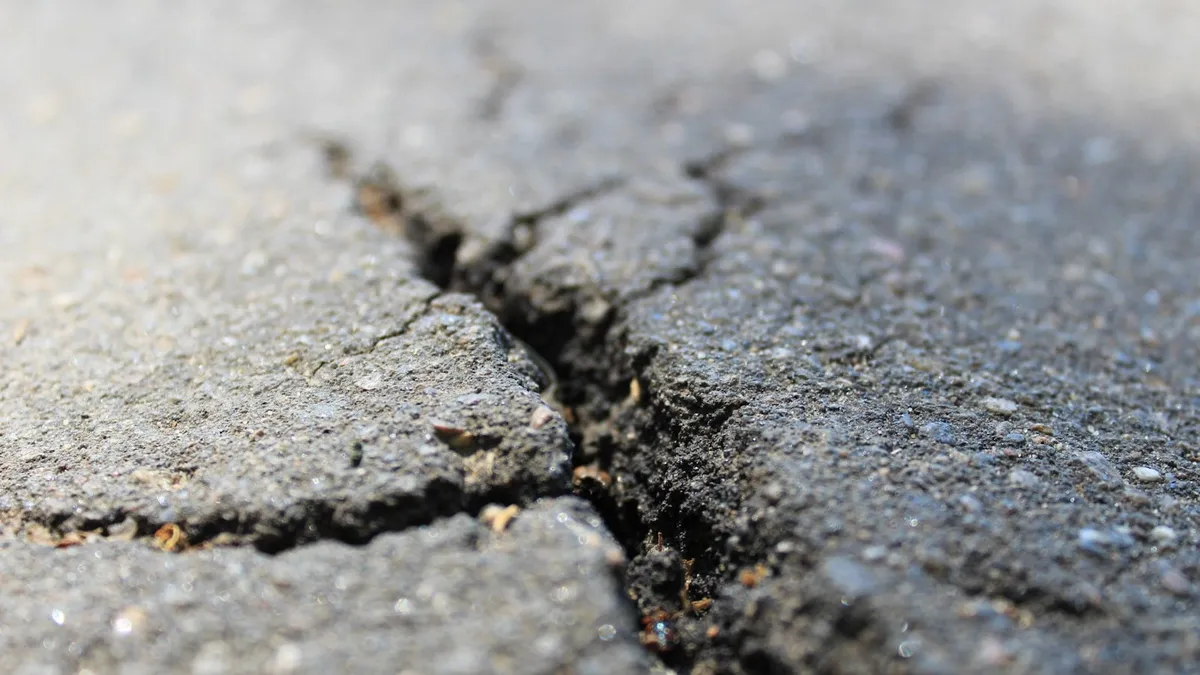
Does Car Insurance Cover Pothole Damage? Claims Guide
Does car insurance cover pothole damage? Collision coverage is the line to check when your car hits a pothole. Liability-only coverage does not repair your own vehicle, and comprehensive generally addresses non-collision events instead. Your selected coverage, deductible, policy terms, and the facts of the impact determine the result [1].
A hard impact can leave you with an obvious flat tire or a quieter problem, such as a vibration, warning light, fluid leak, or steering change. Get to a safe location before looking for damage. You can sort out coverage after you know whether the car is safe to move.
This guide explains what to document, which parts to inspect, how to compare your deductible with the repair scope, and how to request review of damage found later. It also keeps an insurance claim separate from any city, county, state, or contractor reimbursement process, with no assumption that either route will pay.
Does Car Insurance Cover Pothole Damage? Start With Collision
The National Association of Insurance Commissioners says collision coverage pays for damage from a collision with another car, an object, a pothole, or a rollover. It describes comprehensive as coverage for vehicle damage not caused by a collision [1]. That makes collision the first policy line to review after a direct pothole impact.
| Coverage question | Policy line to check | What to verify |
|---|---|---|
| Your car struck a pothole and was damaged | Collision | Whether collision was active, the deductible, exclusions, and the documented event |
| You carry liability only | Your own policy may not include vehicle repairs for this event | Declarations page and policy terms |
Last updated: August 2026 [1]
This coverage table stays narrow because the cited NAIC page supports the collision, comprehensive, and liability distinctions. Towing, rental, warranties, and public reimbursement require separate contract or jurisdiction checks. They should not inherit the table's citation.
| Other need | Separate benefit or process to check | What to verify |
|---|---|---|
| The car needs a tow | Roadside or towing coverage | Whether it was selected, covered services, and any limit |
| You need transportation during covered repairs | Rental reimbursement | Whether it was selected, daily terms, and any limit |
| The tire has a separate road-hazard plan | Warranty or service contract | Covered damage, notice rules, approved provider, and required records |
| You want the road owner to reimburse you | Public-authority or contractor claim process | Correct entity, current form, deadline, proof requirements, and legal standard |
Treat the second table as a checklist, not a coverage promise. Verify each item against the policy, endorsement, service contract, or official public-claim instructions that apply to you.
Do not rely on a “full coverage” label. Open the declarations page and identify collision, its deductible, towing, rental reimbursement, and any endorsements. The comprehensive versus collision guide explains the larger distinction, while the deductible guide shows how your share of a covered loss works.
Reviewing your protection before the next rough-road surprise? Compare policies with the same coverages and deductibles so price differences do not hide different protection.
What to Do Immediately After Hitting a Pothole
Protect people before protecting a claim. If the car still responds normally, reduce speed smoothly and move to a safe parking area. Avoid abrupt braking or sharp steering. If control feels uncertain, a tire is rapidly losing air, fluids are leaking, or warning lights suggest a serious problem, stop where it is safe and request help.
Use this sequence once you are out of moving traffic:
- Check occupants. Call emergency services for injuries or an immediate traffic hazard.
- Look and listen from safety. Note a flat tire, sidewall bulge, scraping sound, fluid, smoke, vibration, steering pull, or warning light. Do not crawl under a roadside vehicle.
- Record the location. Save the road name, direction, lane, nearest address or marker, time, weather you observed, and a map pin.
- Photograph the scene only when safe. Capture the road defect, lane markings, nearby signs, surrounding conditions, and visible vehicle damage. Never stand in a travel lane for a better angle.
- Preserve trip evidence. Save dash-camera clips, tow records, witness details, and any incident or road-report number.
- Prevent more damage when reasonable. Follow safe towing or temporary-protection instructions and keep receipts.
The Texas Department of Insurance advises policyholders to photograph all damage, take reasonable steps to keep damage from getting worse, and retain expense receipts [2]. Those habits strengthen the file but do not establish that every expense is covered.
Imagine you hear a sharp impact, then notice a vibration at the next intersection. A photograph taken after you reach a parking lot is safer than stopping beside the pothole. Record the precise location first because traffic, weather, or repair work may change the scene.
Inspect Tire, Wheel, Suspension, and Underbody Damage
A visual tire check is only the beginning. The impact can affect the wheel and systems that control how the vehicle tracks, turns, brakes, and reads the road. Ask a qualified shop to inspect symptoms rather than assuming every listed part is damaged.
Tire and wheel
Look for loss of pressure, a sidewall cut or bubble, exposed cord, a cracked or bent wheel, and a bead that no longer seals. A tire can hold air initially and still need professional evaluation. Do not keep driving merely to see whether a bulge gets worse.
Steering, suspension, and alignment
Report pulling, an off-center steering wheel, new vibration, clunking, uneven ride height, or a change in handling. Ask the shop which measurements or damaged components support its diagnosis. “Needs an alignment” and “has a bent suspension part” are different findings and should appear separately on the estimate.
Underbody, brakes, and fluids
From a safe standing position, note scraping, a hanging panel, a fresh leak, or a new brake concern. Do not touch an unknown fluid or position yourself under an unsupported vehicle. A tow is the safer choice when braking, steering, structural, or fluid-loss concerns make operation uncertain. Review the roadside assistance guide before assuming the tow is included.
Sensors and driver-assistance systems
Save warning-light photographs and diagnostic results. If the shop recommends a scan or calibration, ask which affected part or repair operation creates that need. Preserve the report rather than relying on a verbal summary.
Request an itemized diagnosis that separates confirmed damage from recommended checks. Keep photographs, technician notes, measurements, invoices, and available replaced-part records. That distinction matters if damage appears after the tire comes off or the vehicle is placed on a lift.
Decide Whether a Pothole Damage Insurance Claim Makes Sense
Compare the collision deductible with a documented repair scope, not with your first guess at the curb. A repair estimate below the deductible may produce no payment under that coverage. An estimate that exceeds it can still require you to pay the deductible, subject to the policy and claim decision [2].
Before filing, ask the insurer how to report the incident and what information it needs without seeking a guarantee. Useful questions include:
- Which coverage would the company review for this event?
- What collision deductible appears on the declarations page?
- Does the company need an inspection before repair or disposal of parts?
- How should a shop submit damage discovered after disassembly?
- What records should be preserved if an emergency repair is necessary?
- How are towing and rental handled under the selected policy?
- How can you obtain the claim decision and estimate in writing?
Say the first tire-and-wheel estimate is close to your deductible, but the shop has not checked the alignment or suspension. Ask for the inspection scope before treating the first total as final. Do not add speculative damage to make a claim look larger. Submit confirmed findings and let the insurer evaluate them.
A claim can also become part of your insurance history, but this article cannot predict a renewal or premium result. Rating rules, state law, insurer practices, and individual history vary. Make the filing decision from the policy, evidence, repair needs, and guidance you receive, not from a promised rate outcome.
Once the immediate repair decision is stable, compare equivalent collision deductibles and optional benefits. Keep every coverage field matched so the comparison remains useful.
Compare the Insurer Estimate With the Shop Diagnosis
An insurer estimate and a shop diagnosis may begin with different information. One may use roadside photographs, while the other includes measurements taken after removing a wheel. Compare line items and evidence before comparing only the totals.
Follow this process:
- Request the insurer's itemized estimate. Check parts, labor operations, rates, deductible, assumptions, and repair notes.
- Request the shop's itemized diagnosis. Separate tire, wheel, alignment, suspension, steering, underbody, scan, and calibration work.
- Match like with like. Compare the same part and operation across both documents.
- Mark each difference. Identify omitted inspections, different repair methods, newly visible damage, parts, quantities, or labor.
- Attach support. Use relevant photographs, measurements, reports, technician notes, procedures, and invoices.
- Ask about a supplement. This requests review of additional covered damage or cost found after the initial estimate. Ask whether reinspection or shop contact is needed.
- Request the response in writing. Keep the explanation, policy language, estimate basis, and next step.
The Texas Department of Insurance tells consumers to show the insurer's estimate to the shop and discuss differences or other damage the shop found that the adjuster did not. For a claim governed in Texas, TDI also says a rejected claim must include the reason in writing [2]. Do not apply that Texas requirement across states.
If a decision remains unclear, use the record-building steps in the claim-denial guide. Ask who is responsible for storage or teardown charges during review.
Keep each disputed estimate line tied to supporting evidence and request one clear, specific, written response.
Keep a Road-Authority Reimbursement Claim Separate
An auto insurance claim and a request to a road authority are separate processes. A city, county, state, toll operator, utility, or contractor may control the road segment, but road ownership alone does not prove that the entity must reimburse you. Use the state insurance requirements directory to find your regulator while keeping the public-road request with the responsible road office.
Start by identifying the exact location and responsible office. Use an official website or phone number to find the current pothole-reporting and property-damage process. Ask for the form, filing method, deadline, required evidence, and claim contact. Rules can vary by jurisdiction, and some processes examine prior notice, response time, maintenance responsibility, or other legal requirements.
A road-authority file may include:
- the exact location, lane, direction, date, and time;
- photographs taken without entering traffic;
- a map pin and nearby signs or landmarks;
- the road-defect report or service-request number;
- witness details and dash-camera clips;
- tow, diagnostic, repair, and rental records;
- proof of ownership and insurance information requested on the official form;
- submission correspondence; and
- the written response.
Do not delay a needed vehicle inspection while assuming a public reimbursement will arrive. Ask your insurer how it handles possible recovery from another party, and disclose payments or pending claims when requested. Keep copies of both files so statements, amounts, and dates stay consistent.
If the road was repaired before you could photograph it, preserve the records you do have. A contemporaneous map pin, dash-camera clip, witness, road-report number, and dated shop diagnosis may still help document the event, but no single item guarantees reimbursement.
Ask About Total Loss, Lender, Rental, and Towing
Most pothole conversations focus on a tire or wheel, but the claim questions can expand when a vehicle has extensive underbody, suspension, steering, or related damage. Do not predict a total loss from one symptom. Ask for the insurer's repair-versus-value decision and supporting valuation if that issue arises.
The Texas Department of Insurance explains that an insurer may consider a car totaled when the repair cost is about the same as or more than its value, while some companies may total it at a lower repair cost [3]. That is Texas consumer guidance, not a threshold to apply across states.
If the vehicle is declared a total loss, request the valuation report and check the year, model, trim, drivetrain, mileage, condition, options, prior damage, and comparable vehicles. TDI advises asking which valuation source was used and providing local dealer quotes or online prices for similar vehicles when you believe the value is too low [3]. The total-loss settlement guide provides a fuller checklist.
A loan payoff is a separate number. NAIC explains that an auto policy does not automatically pay the difference when the vehicle's market value is below what you owe; separate GAP protection may address that shortfall [1]. Notify the lender or lessor, request the current payoff amount, and follow its instructions before transferring or retaining the vehicle.
Towing and rental are also separate selections. NAIC describes roadside or towing and rental coverage as distinct protection [1]. Check the policy for triggers, limits, eligible services, providers, and duration. The rental reimbursement guide can help you frame those questions.
Review Equivalent Coverage at Renewal
Use the event to replace vague labels with actual policy fields. Record whether collision was selected, the deductible, roadside or towing terms, rental reimbursement, equipment endorsements, lender requirements, and any separate tire-and-wheel protection.
When you compare policies, hold those fields constant. A lower quote may reflect a higher deductible or a removed benefit rather than a better price for the same protection. Review declarations pages and endorsements instead of relying on a summary label, and use rates by state only as broad market context.
Think through the deductible as an emergency-fund decision. A higher amount can lower the premium but leaves you responsible for more of a covered loss. This article does not tell you which deductible to choose or predict how a pothole claim will affect future pricing.
Build a side-by-side renewal worksheet before requesting quotes:
- Copy the current limits and deductibles. Use the declarations page rather than memory.
- List optional benefits separately. Include towing, rental reimbursement, equipment endorsements, and any lender-required protection.
- Match the comparison inputs. Enter the same limits, deductibles, drivers, vehicles, mileage, and usage for every quote.
- Flag every difference. Note a removed benefit, changed deductible, shorter rental term, or different endorsement before comparing price.
- Read the proposed documents. Confirm that the quote summary and policy forms reflect the protection you requested.
Keep the pothole repair records nearby, but answer application and claim-history questions exactly as asked. If a term is unclear, request an explanation in writing. Your goal is an equivalent-coverage comparison that shows real price differences without quietly transferring more repair risk to your emergency fund.
Does Car Insurance Cover Pothole Damage? FAQ
Is pothole damage collision or comprehensive?
A direct pothole impact is a collision-coverage question. NAIC specifically includes a pothole in its description of events collision coverage can pay for, while comprehensive addresses non-collision damage [1]. Confirm that collision was active and review the deductible, policy terms, and event facts.
Does insurance cover a tire or bent rim after a pothole?
Collision may apply when a covered pothole impact damages a tire or wheel, but the policy can contain terms affecting tires, wear, prior damage, or mechanical problems. Preserve the tire, wheel, and inspection evidence when possible. Also check any separate road-hazard warranty without assuming both processes will pay.
Should I file if the estimate is close to my deductible?
Get a documented repair scope before deciding. Compare confirmed damage with the collision deductible and ask how later-discovered damage is submitted. An estimate below the deductible may produce no collision payment, while an estimate above it still leaves your share subject to the policy and claim decision [2].
What if the shop finds suspension damage later?
Ask the shop for measurements, photographs, diagnostic results, and an itemized explanation connecting the finding to the impact. Then ask the insurer about its supplement or reinspection process. TDI advises discussing other damage that the shop finds but the adjuster did not include [2].
Can a city or state reimburse pothole damage?
A public entity may offer a damage-claim process, but reimbursement is not automatic. Identify the road owner, use the current official form, and verify the jurisdiction's deadline and proof requirements. Keep that request separate from your auto claim and preserve consistent evidence for both.
Will a pothole claim raise my premium?
No universal answer applies. The result can depend on state rules, insurer practices, claim history, and other rating factors. Ask how the event may be recorded, then compare equivalent coverage at renewal. Do not reduce protection accidentally to chase a lower quote.
Does Car Insurance Cover Pothole Damage? The Bottom Line
After a pothole impact, use a simple order: reach safety, record the exact location, document symptoms, arrange a qualified inspection, review collision coverage and the deductible, then compare each estimate line. Ask how to submit damage found after disassembly rather than treating the first estimate as final.
This week, put photographs, dash-camera clips, tow records, diagnostic reports, estimates, invoices, and written decisions into one claim folder. If you pursue public reimbursement, create a second folder for the official form, road report, deadline, and correspondence.
Compare collision deductibles, towing, rental reimbursement, equipment terms, and lender requirements side by side. Keep the protection equivalent before judging price.
The outcome is a record you can use: one folder for the repair, another for any public-road request, and a renewal worksheet with matched policy fields. That structure will not guarantee payment or a particular rate, but it will make each decision easier to explain and verify.
Ready to review the next policy? Compare matching car insurance options with QuoteFii and choose quotes that reflect the coverage you intend to keep.
Sources
[1] National Association of Insurance Commissioners, “What Does Auto Insurance Cover?”
[2] Texas Department of Insurance, “Steps to Getting Your Home or Car Insurance Claim Paid”
[3] Texas Department of Insurance, “My Car Was Totaled! Now What?”
This article is for informational purposes only and does not constitute insurance, financial, or legal advice. Information may contain errors or be outdated. Always verify details with a licensed insurance professional before making coverage decisions.
Compare related decisions
More guides that help put this topic in context.
Related Articles

$500 vs. $1,000 Car Insurance Deductible: Which Saves More?
Should you raise your car insurance deductible to $1,000? See the break-even math, claim frequency data, and when each option makes sense for your budget.
Mar 17, 2026 · 5 min read

Does Car Insurance Cover Engine Damage? A 2026 Guide
Car insurance may cover engine damage caused by a covered crash or event, but not ordinary breakdown. Learn how to document damage and review your policy.
Aug 17, 2026 · 13 min read
Does Car Insurance Cover Tree Damage? Claims Guide
Does car insurance cover tree damage? Learn when comprehensive or collision may apply, what evidence to save, and how to handle estimates and a total loss.
Aug 5, 2026 · 14 min read