
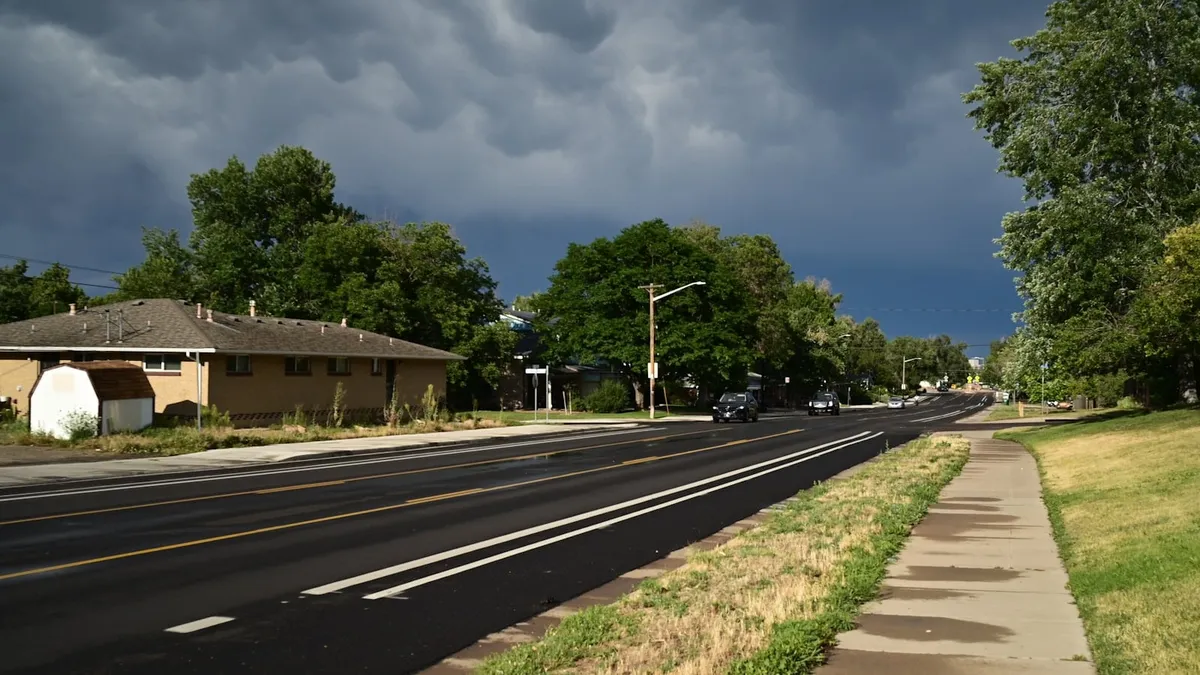
Does Car Insurance Cover Hail Damage? A Claim Guide
The storm moves on, but your car now has dents across the hood, roof, and doors. Does car insurance cover hail damage? Comprehensive coverage generally does when the damaged vehicle has that coverage and the loss meets the policy terms. Liability-only coverage does not repair your car, and collision coverage applies to collisions rather than falling hail. The NAIC lists hail among the non-collision events comprehensive covers [1].
Wait until conditions are safe before inspecting the vehicle. Then photograph what you see, protect broken openings from more rain, and check the declarations page for comprehensive coverage and its deductible.
Say your parked car has dozens of shallow dents, a cracked taillight, and water entering around broken glass. The dents may look cosmetic, but the glass, lighting, and water entry need prompt attention. Document all of it before cleaning or repairing anything. This guide walks from that first inspection through estimates, total-loss questions, financed-car issues, and a written challenge when the claim record is incomplete.
When does car insurance cover hail damage?
Car insurance generally covers hail damage through comprehensive coverage. Texas insurance regulators say an auto policy with comprehensive coverage should pay for hail damage, while the NAIC describes comprehensive as protection for non-collision events including hail [1][2]. Coverage still depends on the insured vehicle, loss date, policy terms, exclusions, and deductible.
The coverage type matters:
| Situation | Coverage to check | What it means |
|---|---|---|
| Hail dents body panels or damages exterior parts | Comprehensive | May pay for covered storm damage; a deductible is subtracted when you use your own insurance [1][2][3] |
| Hail cracks a windshield or other auto glass | Comprehensive | Report the broken glass, then check the policy for the deductible and any separate glass provisions [2][3] |
| Your car hits another vehicle while you seek shelter | Collision | The impact is a collision, even though the storm prompted the trip [1] |
| Your parked car damages someone else's property | Liability | Liability addresses covered damage you cause to others, not hail dents on your own car [1] |
| Rain enters through hail-broken glass | Comprehensive claim review | Document the opening and interior damage, then prevent additional water entry [2] |
| A laptop or other loose item inside gets wet | Ask about the applicable property policy | Do not assume loose personal property is part of the auto claim |
Last updated: July 2026 [1][2]
Find comprehensive on the declarations page for the exact vehicle and note the listed deductible. Then ask the insurer to confirm how the policy applies to this storm. Our comprehensive versus collision guide explains the coverage split, while the deductible guide shows how your out-of-pocket share affects a claim.
Keep the current claim separate from future shopping. Once the loss is documented and the claim path is clear, you can review future coverage choices using the same limits and deductibles across quotes.
Use the state minimum coverage table to see the legal baseline where you live, then check comprehensive separately. Minimum liability requirements do not establish hail coverage for your own car [1].
What to do after hail damages your car
A good hail damage car insurance claim starts with a clean record of the storm and the vehicle. Texas regulators advise filing as soon as you can, taking pictures and video, listing the damage, preventing more damage, saving receipts, keeping damaged items until the insurer says otherwise, and being available for the adjuster [2][3].
1. Make sure the area is safe
Wait for active hail, flooding, downed wires, broken branches, and other immediate hazards to pass. If the vehicle is in an unsafe location, call emergency or road service and follow its directions.
Avoid driving when broken glass, damaged lights, obstructed visibility, loose exterior parts, water near electrical components, or another condition makes the car unsafe. Ask the insurer how towing or temporary protection should be handled before assuming an expense will be covered.
2. Photograph the whole vehicle
Start with wide photos showing the car and surroundings. Then photograph the hood, roof, trunk or liftgate, doors, fenders, quarter panels, bumpers, mirrors, lights, windshield, windows, sunroof, trim, and any interior water entry. Use several angles because shallow dents can disappear in flat light.
Capture the license plate and vehicle identification number. Record the location, approximate storm time, and when you first saw the damage.
Keep old damage separate. Note scratches, dents, cracked trim, or glass marks that existed before the storm. Reddit discussions repeatedly show drivers wondering whether a claim can restore unrelated wear. An event-specific record makes the repair conversation clearer.
3. Prevent more damage
Cover a broken window or opening to reduce additional rain entry, but do not make permanent repairs before asking how the insurer wants the vehicle inspected. Texas regulators tell consumers to prevent more damage, save receipts for temporary repairs, and avoid throwing damaged items away until the insurer gives direction [2].
Keep receipts for temporary coverings, towing, storage, and other storm-related expenses. Ask before committing to a large expense.
4. Check the policy before choosing a repair path
Open the declarations page and confirm:
- The damaged vehicle is listed
- Comprehensive was active on the storm date
- The comprehensive deductible
- Any separate auto-glass provision
- Lender or lessor information
- Claim contact and notice instructions
- Rental, towing, or other selected optional coverage
Do not rely on the phrase “full coverage” alone. Check the named coverage lines and endorsements for this vehicle.
5. Notify the insurer and preserve the claim record
Report what happened, when and where it happened, and what you can see. Ask how to submit photos, whether the car should be driven, where the inspection will occur, and whether estimates are needed. Texas regulators say an adjuster may inspect in person or use damage photos to estimate repair costs [3].
Write down the claim number, contact names, dates, inspection appointment, and requested documents. Follow important calls with a short portal message or email.
Is a hail damage car insurance claim worth filing?
The useful comparison is the complete repair estimate against the comprehensive deductible, along with the vehicle's condition, financing, and your tolerance for unrepaired damage. Do not assume that a few visible dents equal the full repair scope. Glass, lights, mirrors, trim, paint damage, sensors, roof openings, and water entry can change the estimate.
Start by asking what the insurer needs before you seek repairs. Then obtain the inspection or estimates the claim handler requests. Texas regulators recommend getting more than one repair bid or estimate after hail or wind damage [2][3].
Use this decision checklist:
- Confirm comprehensive and the deductible.
- Get a written estimate that identifies every storm-damaged area.
- Separate old damage from this storm's damage.
- Ask whether safety, glass, lighting, or water-entry work needs immediate action.
- Keep the claim number and every estimate or payment notice together.
- If financed or leased, read the agreement and ask the lender or lessor before making a repair or payment decision.
- Compare the eligible estimate with the deductible without assuming a particular future premium result.
Imagine an older car with shallow roof and hood dents that you can tolerate, plus a broken side window. You might decide against cosmetic panel work, but the glass and rain entry still need attention. Get the complete estimate and policy answer before reducing the decision to “fix every dent” or “do nothing.”
No official source cited here supports one universal answer about whether a hail claim changes your future price. State rules, practices, claim history, location, and policy details can differ. Compare future policies only after the current loss is stable.
How hail damage inspection and repairs work
The insurer may inspect the car directly or estimate repair costs from damage photos. Ask what process applies before authorizing work. Be available for an inspection so you can point out each documented area, which Texas regulators specifically recommend [2][3].
A shop's written estimate gives you a line-by-line record to compare with the insurer's estimate and your photos. Check that every storm-damaged panel, part, and glass surface you documented appears somewhere. If an area is missing, ask the shop and adjuster whether it was inspected and why it is not included.
Do not assume every dent needs the same repair method. Ask the shop to identify its proposed operation for each damaged area and explain the choice. That keeps the discussion tied to this vehicle's paint, panels, glass, trim, and documented storm damage rather than a generic promise about paintless dent repair.
An initial estimate may differ from the shop's findings. Texas regulators tell consumers to show the shop the insurer's estimate and discuss differences or other damage the shop finds that the adjuster did not [3]. Ask the insurer what documentation it requires before any additional work begins. Keep the shop's revised line items and matching photos with the claim record.
Texas regulators advise checking references and phone numbers, avoiding full payment up front, waiting to make final payment until work is complete, and never signing a contract with blank spaces [2]. Read any direction-to-pay, repair authorization, power of attorney, or assignment document before signing it.
Keep the original estimate, revised estimates, photos, messages, invoices, parts information, calibration records, and warranty. If the finished vehicle still has missed dents, paint defects, warning lights, leaks, wind noise, or glass problems, document them promptly and contact the shop and claim handler.
After the current claim decision is complete, compare future policies on matching terms. Use the same comprehensive deductible and selected optional coverages so a lower quote does not quietly remove protection.
Can hail damage total a car?
Hail damage can lead to a total-loss decision. Texas regulators explain that an insurer looks at the vehicle's value against the cost to repair it and will likely consider the car totaled when repair cost is about the same as or more than its value, although a company may use a lower point [4]. Numerous damaged panels, glass, trim, paint, and water entry can all affect the repair estimate.
If the insurer says the car is a total loss, ask for its total-loss valuation report. Washington's insurance regulator says this report shows the data used to decide the car's value and may not be provided unless requested [5]. The Texas Office of Public Insurance Counsel advises checking options, mileage, condition, deductions, and comparable vehicles, then submitting focused support when you disagree [6].
Review:
- Year, make, model, trim, body style, and drivetrain
- Mileage and recorded condition
- Factory options and packages
- Prior damage deductions
- Comparable vehicles and adjustments
- Taxes, fees, deductible, and other settlement lines
- Lender or lessor payment information
- Title, registration, inspection, and future-insurance consequences of keeping the vehicle
Correct factual errors with focused evidence. Start with records that prove the disputed fact, such as purchase documents for options, service records for recent work, pre-storm photos for condition, or local listings for comparable vehicles. OPIC specifically recommends checking the valuation inputs and using dealer quotes or prices for similar vehicles when disputing value [6]. Our total-loss settlement guide provides a structured way to respond.
Do not sign title or owner-retain documents you do not understand. Ask who receives payment, when ownership changes, what deadlines apply, and what state procedures follow each option. The state auto-rules directory links to official starting points for your jurisdiction.
Does car insurance cover hail damage on a financed or leased car?
The NAIC says an auto lender requires comprehensive and collision coverage, while OPIC says a total-loss payment typically goes to the lienholder first [1][6]. Those official statements do not establish how every lender handles a repair payment. Read your loan agreement and ask the lender before making a claim-payment or repair decision.
Ask these questions:
- How will a repair payment be issued and released?
- What does the loan or lease agreement require after damage?
- Which estimates, invoices, or completion records should you keep?
- How will a total-loss payment be applied to the balance?
- What balance remains after the insurance payment, if any?
- Which title or ownership documents does the lender or lessor require?
Say a financed car has repairable dents, but its owner would rather leave them alone. The coverage requirement and total-loss payment order are clear in the official sources, but the repair choice depends on the agreement and the lender's instructions. Ask before using a claim payment for another purpose. Lease drivers should follow the same document-first approach with the lessor because the cited NAIC loan rule does not define every lease term.
How to challenge a low hail estimate or claim decision
Start with the exact disagreement. A missing panel, disputed cause, repair-method difference, denied supplement, low valuation, and coverage denial each require different evidence.
For a repair estimate, mark every omitted area and attach matching photos or the shop's itemized estimate. Texas regulators specifically direct consumers to discuss estimate differences and other damage found by the shop [3]. For a valuation, identify incorrect vehicle details or weak comparables [5][6]. For a coverage denial, ask for the reason in writing; TDI says an insurer that rejects a first-party claim must explain why in writing [3].
Use a short cover note:
- Claim number and vehicle
- Decision or estimate being challenged
- Specific error or missing item
- Evidence attached
- Correction or next action requested
Keep the request narrow enough to answer. If the dispute remains unresolved, follow the policy's review process and contact the state insurance department. Our denied claim guide explains how to organize the record, and the insurance commissioner complaint guide covers the regulator route.
Frequently Asked Questions
Does liability-only car insurance cover hail damage?
No. Liability coverage addresses covered injuries or property damage you cause to others. It does not repair hail damage to your own car. Comprehensive is the coverage the NAIC identifies for non-collision events such as hail [1]. Check the declarations page for the exact vehicle and storm date.
Does comprehensive insurance cover hail damage to glass?
Comprehensive generally covers hail as a non-collision event. TDI tells storm claimants to cover broken windows to prevent more damage, while its claim guide says an insurer subtracts the deductible when you use your own insurance [1][2][3]. Check the policy for any separate glass terms rather than assuming body and glass damage use identical provisions.
Do I pay a deductible for a hail damage claim?
Check the comprehensive deductible on the declarations page and ask how it applies to this loss. TDI says the insurer subtracts your deductible from payment when you use your own insurance [3]. Compare that amount with a complete written estimate, not a quick count of visible dents, and do not assume another driver's policy has the same terms.
Can insurance total an older car for cosmetic hail damage?
A total-loss decision can occur after the insurer compares repair cost with vehicle value. Ask for the valuation report, verify the vehicle details and comparable vehicles, and review owner-retain consequences before choosing an option [4][5][6].
Can I drive a car with hail damage?
Dents alone do not answer whether the car is safe. Check for broken or obstructed glass, damaged lights or mirrors, loose parts, water entry, warning lights, and impaired visibility. If any safety issue is present, do not drive until you receive appropriate guidance and inspection.
Will a hail claim raise my car insurance price?
There is no single official answer for every driver. Future pricing can depend on state rules, insurer practices, claim history, location, and other permitted factors. Ask how an inquiry or claim is recorded. When shopping later, compare quotes with identical limits, deductibles, and selected coverages.
Protect the car, then review future coverage
The answer to “does car insurance cover hail damage?” begins with comprehensive coverage, but a good outcome depends on what you do next:
- Wait for safe conditions and photograph the whole vehicle.
- Protect broken openings and save temporary-repair receipts.
- Confirm comprehensive, the deductible, and any glass terms in the policy.
- Get a complete written estimate before judging whether the loss is minor.
- Keep pre-existing damage separate from this storm.
- Ask the lender or lessor before deciding how to use a claim payment.
- Keep written estimates, request the total-loss valuation report, and ask for any denial reason in writing.
Once the current loss is documented and stable, review whether your deductible and selected optional coverages still fit what you could afford after another storm. Start with your zip code to compare future options. Keep the coverage inputs consistent across every quote. That makes the price comparison useful without quietly changing the protection you meant to evaluate.
Sources
[1] National Association of Insurance Commissioners, “What Does Auto Insurance Cover?,” What Does Auto Insurance Cover?
[2] Texas Department of Insurance, “Hail Damage to Your Home or Car? What to Do Next,” Hail Damage to Your Home or Car?
[3] Texas Department of Insurance, “Steps to Getting Your Home or Car Insurance Claim Paid,” Steps to Getting Your Claim Paid
[4] Texas Department of Insurance, “My Car Was Totaled! Now What?,” My Car Was Totaled!
[5] Washington Office of the Insurance Commissioner, “What Happens After Your Car Gets Totaled,” What Happens After Your Car Gets Totaled
[6] Texas Office of Public Insurance Counsel, “Your Options After a Total Loss,” Your Options After a Total Loss
This article is for informational purposes only and does not constitute insurance, financial, or legal advice. Information may contain errors or be outdated. Always verify details with a licensed insurance professional before making coverage decisions.
Compare related decisions
More guides that help put this topic in context.
Related Articles

$500 vs. $1,000 Car Insurance Deductible: Which Saves More?
Should you raise your car insurance deductible to $1,000? See the break-even math, claim frequency data, and when each option makes sense for your budget.
Mar 17, 2026 · 5 min read
Does Car Insurance Cover Engine Damage? A 2026 Guide
Car insurance may cover engine damage caused by a covered crash or event, but not ordinary breakdown. Learn how to document damage and review your policy.
Aug 17, 2026 · 13 min read
Does Car Insurance Cover Pothole Damage? Claims Guide
Does car insurance cover pothole damage? Learn when collision may apply, what damage to inspect, how deductibles work, and how public-road claims stay separate.
Aug 12, 2026 · 14 min read